How to prepare an RV for storage: my Colorado fall checklist
By Marcus Bell · September 22, 2026 · updated September 27, 2026
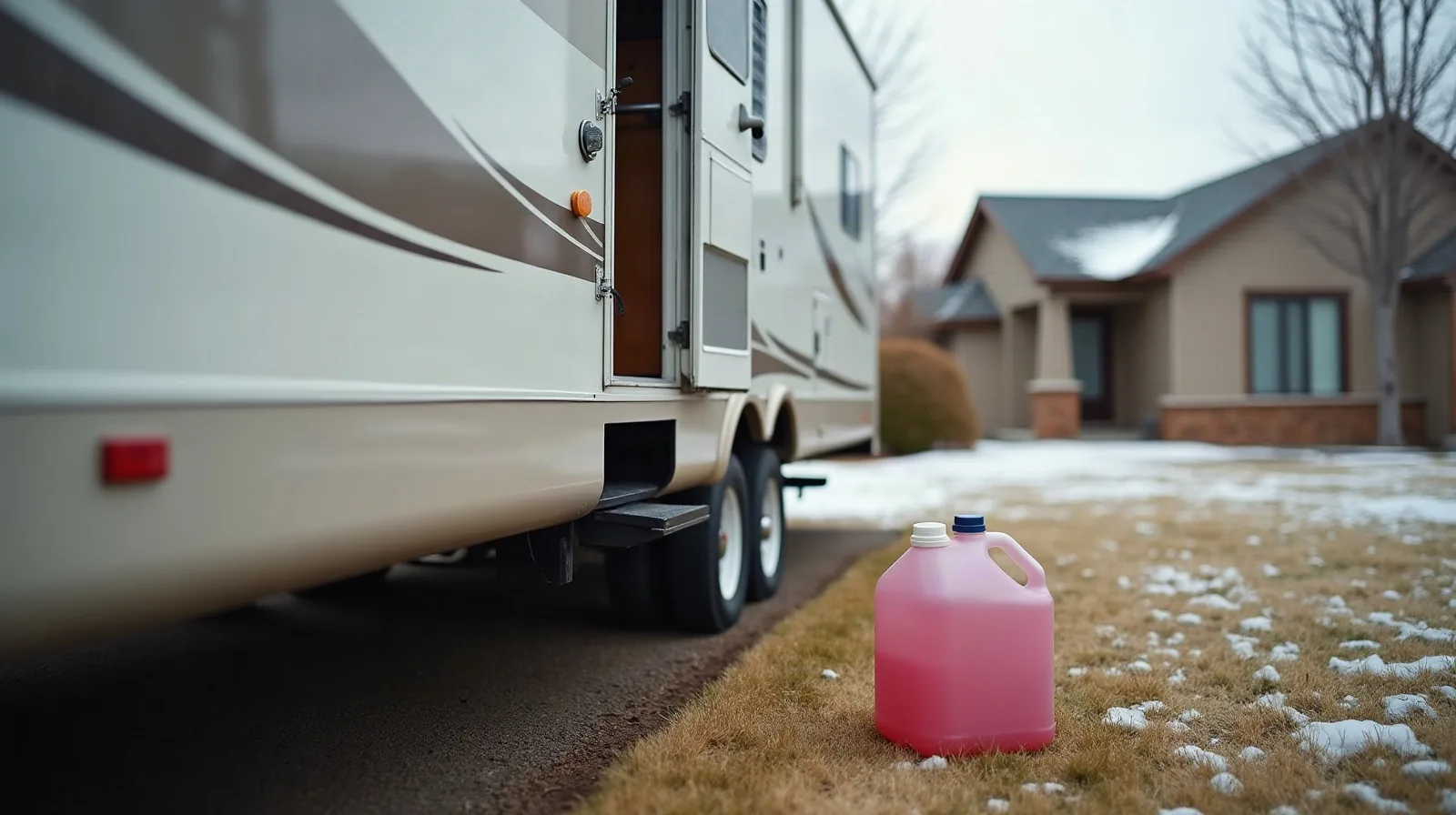
Two Octobers ago, I was under my fifth wheel in the driveway, dropping the low-point drains, when the forecast changed and I realized I had to figure out how to prepare RV for storage in a hurry, and maybe look into indoor RV storage in Colorado Springs. The Colorado Springs low went from 28 to 9 degrees. I had not finished: water heater still hot, no antifreeze in the P-traps, battery still on the tongue. I finished in the dark with a headlamp, muttering about freeze points. That night taught me the only rule that matters: winterize before you think you need to, not after the forecast drops. Indoor RV storage in Colorado Springs would of kept the rig out of that kind of cold, but the driveway was what I had.
This checklist is how I put a rig away every fall here on the Front Range, where a warm afternoon can end with ice in the lines by ten p.m. It works for any RV, any storage spot. I link to indoor RV storage in Colorado Springs for anyone who wants a roof over the rig, but most of this applies to any space, covered or not. The steps are the same.
How to prepare an RV for storage: start with water
Dump and flush the black and gray tanks before anything else. I use the dump station at the storage lot or a campground on the way home. Flush the black tank until the water runs clear, then drain the fresh tank. Open the low-point drains and let the lines drip while you work on other things.
Drain the water heater only when it is off and cool. Open the pressure relief valve, then pull the drain plug or anode rod. A Suburban water heater has an anode rod. Atwood and Dometic aluminum tanks use a plain plastic plug and no anode.
Then turn the bypass valves so the water heater is isolated. That keeps RV antifreeze from filling a six or ten gallon tank. With the bypass set, my 34-foot fifth wheel takes about two and a half gallons of pink stuff.
Blow out the lines or run antifreeze? I do both
Winterizing works with compressed air, RV antifreeze, or both.
To blow out the lines, screw a blow-out plug into the city water inlet and set the air compressor to 30 to 40 psi. I open one faucet at a time, hot and cold, until only air comes out. Do not forget the outdoor shower, toilet flush, and outside kitchen if you have one.
After air, I set the water heater bypass and pump antifreeze through the system. I open each faucet until pink runs steady. Never use automotive antifreeze. It is poisonous and will ruin the fresh-water system.
Pour a cup of RV antifreeze into every P-trap: kitchen sink, bathroom sink, shower, and toilet bowl. That seals the drains and keeps the traps from freezing and cracking.
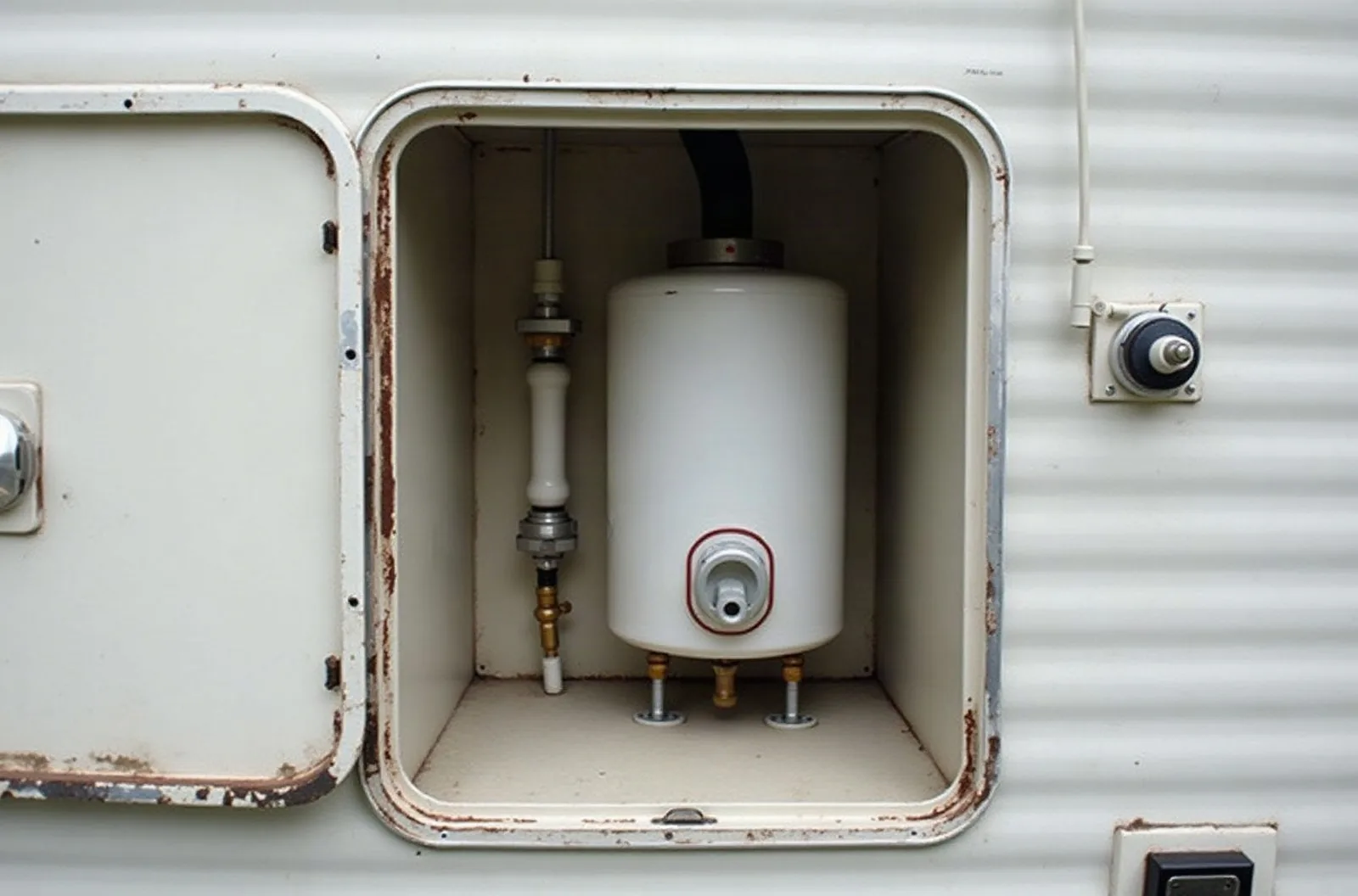
I followed this method last fall and it saved me a lot of guesswork. Check out this video for a clear walkthrough.
Battery: disconnect, remove, or maintain
A parked RV kills batteries. The propane detector, stereo memory, and control boards pull a little current all the time, and that can flatten a battery in three weeks. I learned that the hard way. I disconnect the negative cable, or use the factory disconnect switch if the rig has one.
Better yet, pull the battery and take it home to a shelf in the garage. If you leave the battery in, plug in a trickle charger or battery maintainer.
Lithium batteries are a diffrent animal. Our RV storage tips from four years behind a storage yard counter covers the plugged-in-versus-not question in more detail.
Propane, fuel, and the generator
Close the propane tank valves completely. I also put a small cap over the regulator inlet to keep spiders out.
A motorhome wants a full fuel tank and a dose of fuel stabilizer. Run the generator under load for abotu 30 minutes to get stabilized fuel through the system.
Towables like my fifth wheel do not need fuel stabilizer. But a toy hauler with an onboard fuel station for toys means treating that tank too.
Tires and the ground they sit on
Inflate tires to the pressure on the RV’s tire placard, not the sidewall max. My fifth wheel wants 80 psi cold. Then cover the tires against UV.
RV tires age out at five to seven years regardless of tread. Check the DOT date code: the last four digits are the week and year of manufacture.
If the rig sits on dirt or gravel, put down leveling boards or plastic pads under the tires. This matters more with outdoor RV storage in Denver or anywhere without a concrete pad.
Interior, pests, and the fridge
Remove every scrap of food. I once left a box of granola bars in a cabinet, and a mouse found it in October. Now I empty the pantry and wipe the counters with vinegar.
Seal obvious gaps under the sink and around plumbing with steel wool. Set snap traps or bait stations, but check them monthly.
Clean the fridge and leave the doors propped open. A closed fridge grows mold even in a dry climate.
Roof, seals, slides, and the cover: the last walk-around
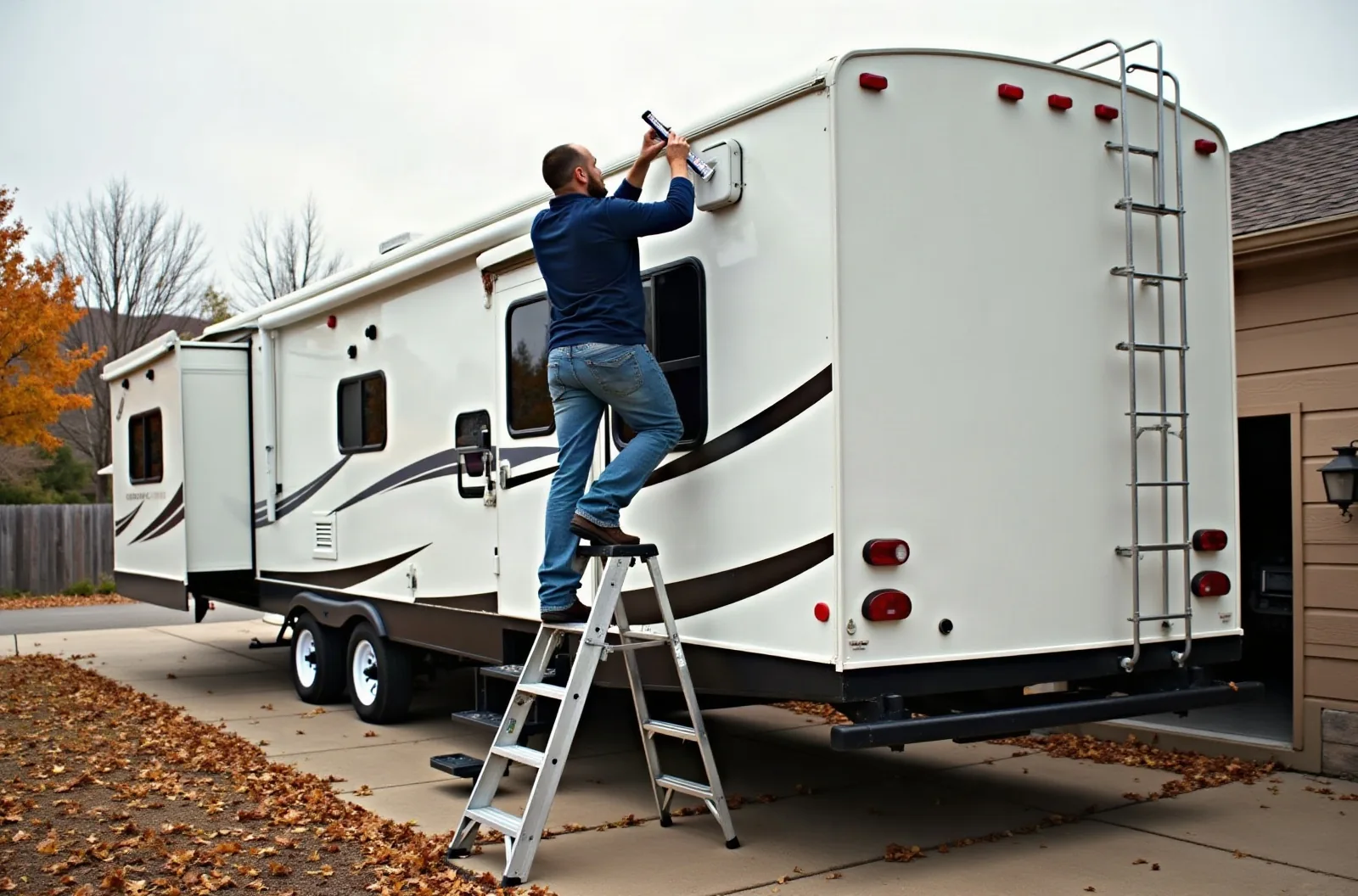
Inspect the roof sealant before you park it. Water getting in during storage is a top cause of interior damage and a DIY tube of lap sealant is cheaper than a new ceiling.
Slide-outs go in. Awnings roll up and get secured. Vents go closed, or covered with vent covers if you like to leave a window cracked.
If you use a cover, buy a breathable, UV-resistant one sized for you’re RV type and length. Our climate controlled RV storage post lays out canopy versus indoor.
Print this checklist and tape it to the inside of a cabinet door. You’ll thank yourself next spring.
The final walk-around: a printable checklist
Here is the numbered version.
- Dump and flush black and gray tanks. Drain fresh tank. Open low-point drains.
- Drain water heater (off and cool, pressure relieved). Reinstall drain plug or anode rod.
- Turn water heater bypass valves to bypass position.
- Blow out lines with air at 30 to 40 psi, one fixture at a time, hot and cold. Do not forget the outdoor shower.
- Pump RV antifreeze thru all faucets until pink. Use only non-toxic RV antifreeze.
- Pour one cup of RV antifreeze into every P-trap and the toilet bowl.
- Disconnect or remove battery. Attach maintainer if leaving it in.
- Close propane tank valves.
- Add fuel stabilizer to motorhome tank. Run generator under load for 30 minutes.
- Inflate tires to placard pressure. Cover tires. Check DOT date codes.
- Remove all food. Seal gaps with steel wool. Set traps. Place moisture absorbers.
- Clean fridge. Leave doors propped open.
- Inspect roof sealant and seams. Clean roof.
- Retract slide-outs. Roll up awning. Close vents.
- Chock wheels. Set parking brake if motorized. Lower stabilizer jacks lightly.
- Install cover if used. Secure straps. Pad sharp corners.
- Photograph rig inside and out. Lock all doors and compartments.
The ten-dollar lesson I learned the hard way
The ten-dollar tube of lap sealant applied in October beats the two-thousand-dollar ceiling repair in April. Most storage damage is not from thieves or storms. It is from water, and it starts with a small crack in a roof seam or a forgotten low-point drain.
And if you’re comparing storage rates, check the prices in your own city before you commit; the national ranges in our RV storage tips post are a good starting point.
More from the lot
FAQ
Do I need to winterize if I store my RV in a heated indoor unit?
Heated or climate-controlled storage that stays above freezing may let you skip winterizing, but I don't risk it. A power outage or heater failure can freeze lines in a few hours. If you skip the full antifreeze treatment, at least drain the fresh tank and blow out the lines with air. Check the facility's emergency protocols before you decide.
Can I use automotive antifreeze to winterize my RV?
No. Automotive antifreeze contains ethylene glycol, wich is poisonous and will contaminate your fresh-water system. Use only non-toxic RV or marine antifreeze, usualy pink and made of propylene glycol or ethanol. It's labeled for potable water systems and rated for burst protection, typically to -50 F.
How much RV antifreeze do I need?
With the water heater bypassed, a typical travel trailer takes 2 to 3 gallons. Larger fifth wheels like my 34-footer may use 2.5 to 4 gallons depending on plumbing length. Buy a gallon more than you think you need, because a frozen line costs more than a jug of pink stuff.
Should I remove the battery for winter storage?
I remove mine and keep it in the garage on a maintainer. A discharged lead-acid battery can freeze below 32 F and crack. If you leave the battery in, disconnect the negative cable or use a disconnect switch, and connect a trickle charger. Never charge a lithium battery below freezing unless it has built-in heating.
Is a cover necessary for outdoor RV storage?
A breathable, UV-resistant cover helps protect the finish and seals, but it's not mandatory. In Colorado, sun fades decals and dries sealant over time, so I use one. Never use a plastic tarp. Under a canopy or indoors, skip the full cover but keep tire covers on.
How long can an RV sit in storage before I need to start it or move it?
For motorhomes, start the engine and generator monthly if possible, and run the generator under load. For towables, check tires and battery monthly. I visit my fifth wheel every 4 to 6 weeks to to look for pests, moisture, tire pressure, and a snug cover. Six months is too long to leave it completely unattended.
Find storage near you
Compare covered, indoor and open RV storage in your city, then ask a few places for their current monthly rate.
Browse by state