RV Storage Tips from Four Years Behind a Storage Yard Counter
By Jenna Halvorsen · September 18, 2026 · updated September 23, 2026
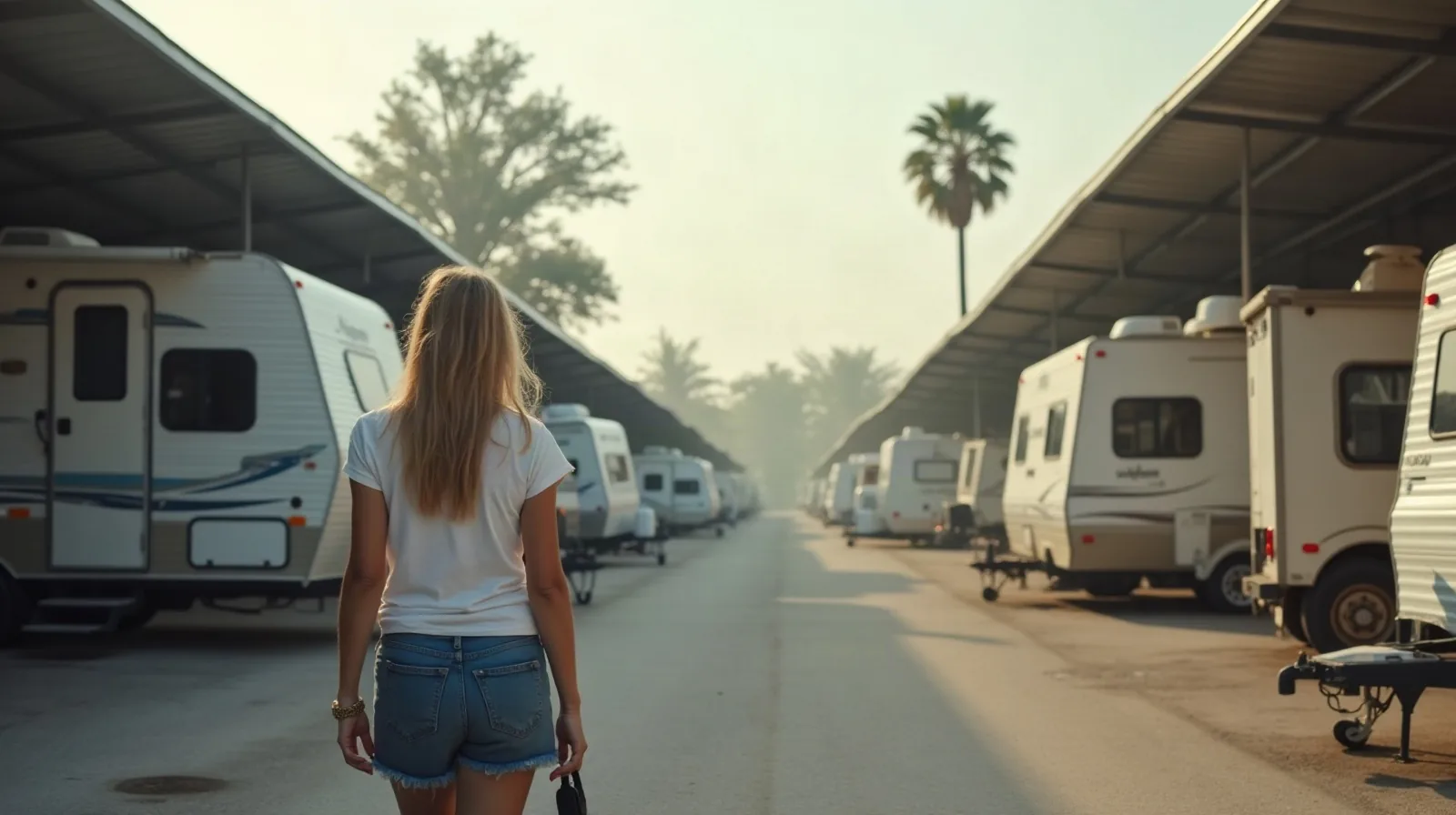
I’ve lost count of how many Saturdays I spent on the phone with someone whose RV wouldn’t start after sitting through a Florida summer. One guy called from the Walmart parking lot off Colonial Boulevard, near RV storage in Fort Myers. Two hours from our lot, and his Class C was dead as a doornail. Battery hadn’t been touched since February. Heat plus a small constant draw will cook a lead-acid battery faster than people realize. I told him to get a jump and meet me at the gate. He got lucky that day. Most don’t. These RV storage tips could have saved him.
I ran the front office of a boat and RV storage yard here in Fort Myers for four years, handling move-ins for snowbirds, weekenders, and one full-timer who parked his toy hauler in our lot while he spent the summer in Alaska.
1. RV storage tips: visit the rig once a month, not once a year
Half an hour a month beats a four-figure repair in April. You could always tell who treated storage like a parking spot and who treated it like a second home.
Walk the whole rig, checking the roof, tires, and pavement underneath for fluid spots. Make sure your gate code still works and the office has your current insurance on file.
2. A battery maintainer beats a disconnect switch, but only if you have power
In Fort Myers we never worried about freezing, but sulfation takes out plenty of batteries that sit discharged for months.
If you’ve got a covered or enclosed space with an outlet, use a smart maintainer. No power? Pull the battery and keep it on a maintainer at home. My own 24-foot Class C has a quick-disconnect on the negative terminal and the battery sits on a cheap bench in the garage. Generator fires up first crank every single trip.
3. Tire covers and placard pressure: the cheap insurance nobody uses
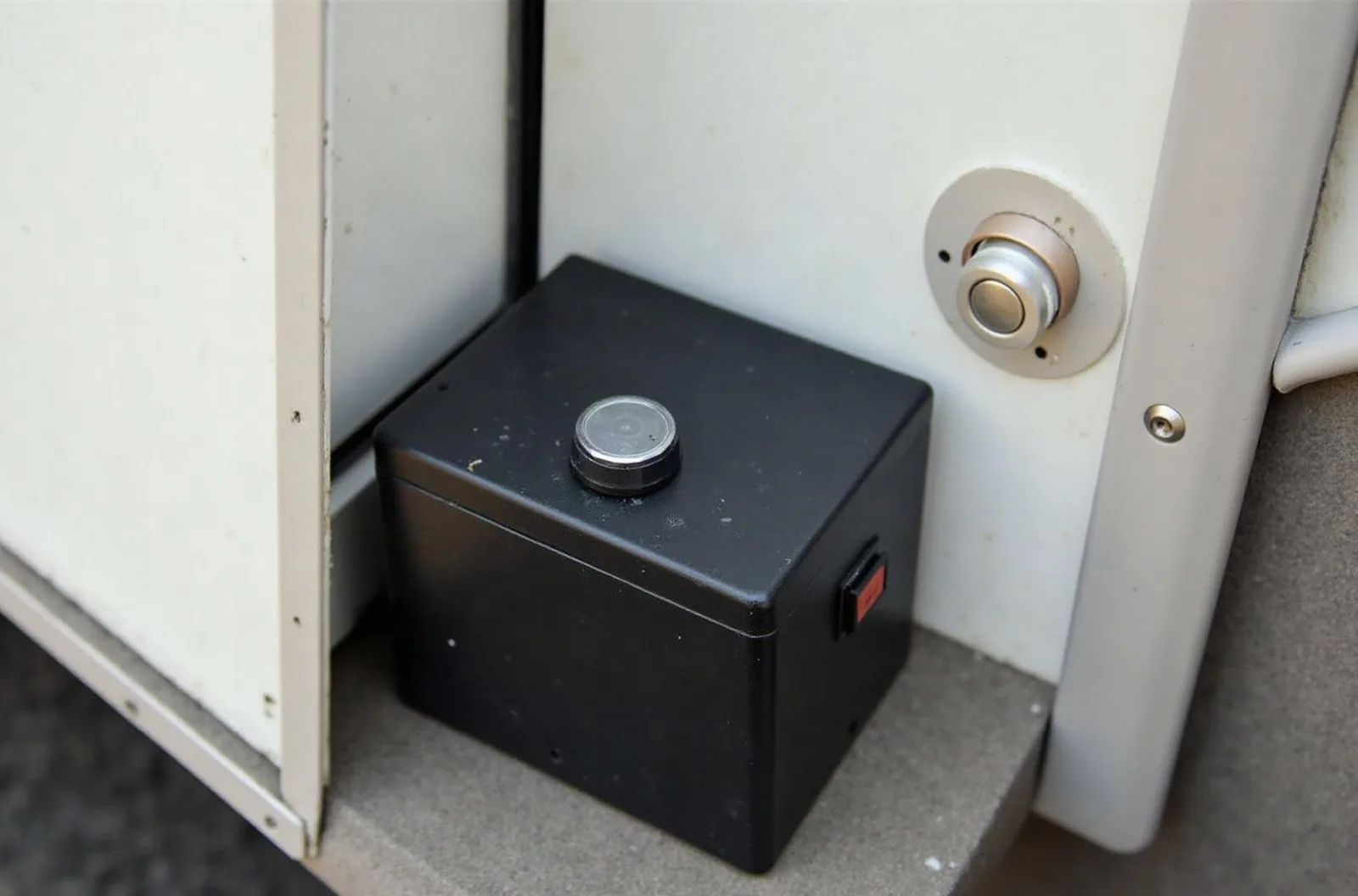
Inflate to the pressure on the placard inside the driver door or the cabinet near the entry. Not the max printed on the sidewall. The placard pressure is for your actual loaded weight, and underinflation while sitting can cause sidewall cracking and flat spots. If the rig sits in one spot for months, roll it forward or backward a few feet every other visit. Barely takes a minute.
I watched a tenant put four new tires on a fifth wheel that had sat for two years with no covers and underinflated tires. The sidewalls looked like an alligator’s back, and he was not happy when the tire shop handed him the bill.
4. Pest checks: the one thing you can’t outsource
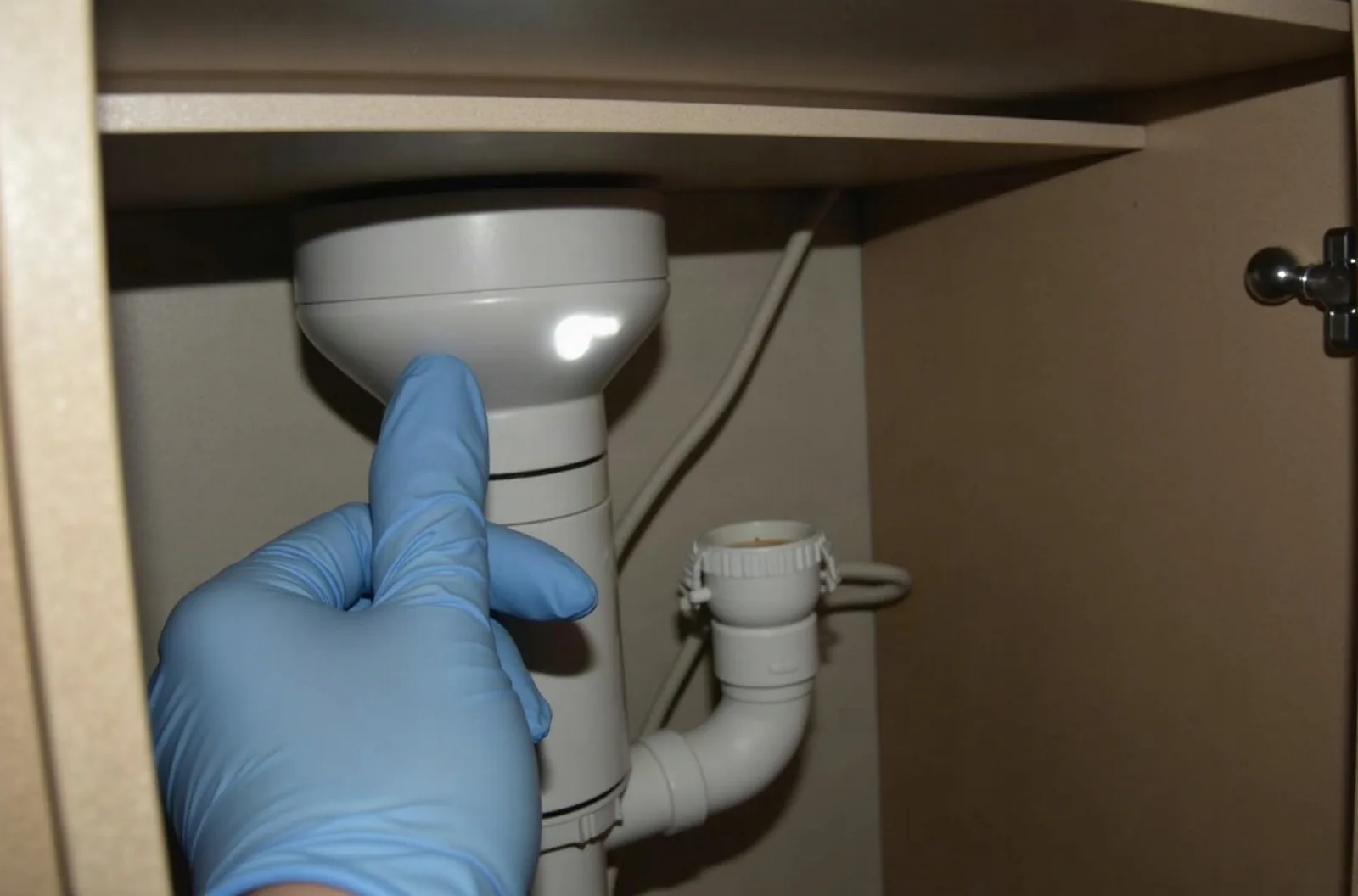
Take out all food, including the granola bar in the glovebox you forgot about. Seal gaps around plumbing and wiring with steel wool and expanding foam. Snap traps or bait stations both work, but bait can kill a mouse inside your wall where you can’t reach it, so I prefer snap traps with peanut butter set right next to entry points.
5. Moisture absorbers: the unsung hero of humid climates
Before you leave it, run through our checklist for preparing an RV for storage and put two or three calcium chloride tubs (DampRid or similar) inside. One near the bathroom, one in the main cabin. Leave the fridge propped open, but keep the vents closed so rain stays out. Empty and refill the tubs monthly. In summer they fill with water fast.
If your RV has a roof vent, you can leave it cracked with a vent cover, but that only helps when the outside air isn’t even more humid. In Florida, it usually is. The tubs do the real work.
I found this video that covers a bunch of the things I wish every tenant did before parking their RV long term.
6. Keep the gate code off the dashboard
Memorize it or keep it in your phone’s encrypted notes. Don’t hand it to your neighbor’s cousin who wants to “just look at it.” If someone needs one-time access, meet them at the gate. Most facilities can add a temporary code for contractors or family, sure, but it’s a hassle for the office and a liability for you.
7. Photograph everything on drop-off day
Don’t skip this because you’re in a hurry. One tenant claimed we cracked his windshield in the lot. Our cameras showed the crack was already in his move-in video, taken at the dealership two weaks earlier. Claims go both ways.
Get photos of the interior too, especially the battery compartment and roof seams. If you ever file an insurance claim, dated photos help a lot, since insurers ask for proof of condition before the incident.
8. Keep your card on file current: the lien law is real
Set storage on autopay and check the receipt once a month. Card expires? Update it that same day. Change your phone number or email? Tell the office. The law don’t care that you were in the hospital or your ex got the mail.
One tenant lost a travel trailer over an unpaid bill because his bank stopped mailing him. It sold at auction for far less than it was worth. I still feel sick about that one.
9. Hurricane and hail plans: know your facility’s policy
Ask at move-in: what happens when a named storm is coming? Do you move rigs? Do you require move-out? Is the lot in a flood zone? Covered storage helps with hail but not a storm surge. My own facility sat well above sea level and had never flooded in the time I worked there, but I still told tenants to check there own insurance.
For hail, you can put on a padded cover (see our guide to choosing an RV storage cover) or build a simple PVC frame to keep the cover off the roof. But do that before the storm, not the day before. A cover flapping in strong wind can damage more than it protects.
10. Park nose-out if the lot allows it
You want to pull out and drive forward when you’re loaded, tired, and maybe running late on trip day. Backing a 24-footer in reverse between two fifth wheels is not how you want to start a vacation. If the lot requires back-in orientation, practice your backing in before trip day.
11. Know the gate hours before trip day
I once had a tenant call me at 5:30am from the gate, furious that his code didn’t work. He’d signed a month-to-month agreement that said access ended at a certain time, and he’d never read it.
Put the gate hours in your phone under the facility’s name. Need to leave early? Ask about a temporary access change. Some facilities will do it for a one-time departure, but it’s a courtesy, not a right.
The one storage test most people fail
The cover keeps sun and hail off, and good drainage keeps the tire rot away. In Fort Myers, covered RV storage spaces run $100 to $300 a month, while open lots run $50 to $150. That extra $75 a month buys alot less tire cracking and roof resealing.
Then call two other facilities in your area and ask their rate for a space the same size. Rates change with the season, and a better spot may have opened up. If you’re near Fort Myers, compare covered RV storage in Fort Myers prices before you renew your current month-to-month.
I’d rather spend an hour in the lot every month than a weekend on the side of Alligator Alley with a dead battery and a dead phone. The only guy who disagreed left his card expired and lost his trailer. Don’t be that guy.
More from the lot
FAQ
How much does RV storage cost per month in the US?
Typical monthly rates are $30 to $150 for outdoor spaces, $75 to $300 for covered, and $150 to $450 for indoor units. Heated or climate-controlled indoor runs $300 to $700 or more. Big coastal cities like San Diego and the Bay Area can run higher, even $300-plus for an outdoor spot. Prices climb with lenght, so a 40-foot Class A pays more than a 20-foot travel trailer.
Do I need insurance for my RV while it’s in storage?
Yes. Most facilities require proof of insurance, and their own coverage doesn’t cover your RV. You need comprehensive coverage for theft, fire, hail, wind, and falling objects. Collision isn’t needed for a parked RV, and some insurers offer a storage-only or lay-up policy that’s cheaper. Check whether your state requires liability on a registered motorized RV even while stored.
Should I disconnect my RV battery during storage?
Yes, or use a maintainer. A parasitic draw from the propane detector and stereo memory can kill a battery in a few weeks. Use the disconnect switch or remove the battery entirely, and keep it on a smart maintainer at home if the storage space has no power. A fully charged battery handles freezing better, but a dead one can freeze below 32°F.
Can a storage facility auction my RV if I don’t pay?
Yes. Every state has a self-storage lien law that lets the facility deny access and eventualy sell the vehicle after proper notice. The rules vary by state, but most require late fees, a notice period, and sometimes a public auction. To avoid it, keep your card on file current, read the lease, and respond to any past-due notice immediatly.
Is it better to store an RV indoors or under a cover?
Indoor storage protects best from sun, hail, and storm damage, but it’s the most expensive option, often $150 to $450 a month. A covered canopy is a good middle ground at $75 to $300. Outdoor storage is cheapest but exposes the rig to UV, wich ages tires and roof sealant. In hot climates, a breathable RV cover on an outdoor space helps, but avoid plastic tarps.
How often should I visit my RV in storage?
At least once a month. Checking monthly lets you catch leaks, pests, battery issues, and tire problems early. Look for water stains on the ceiling, mouse droppings, and cracks in the roof sealant. Also run the generator under load if you can, and open the rig to air it out for a few minutes if the weather allows.
Find storage near you
Compare covered, indoor and open RV storage in your city, then ask a few places for their current monthly rate.
Browse by state