RV storage insurance: what it covers while your rig sits
By Marcus Bell · September 11, 2026 · updated September 16, 2026
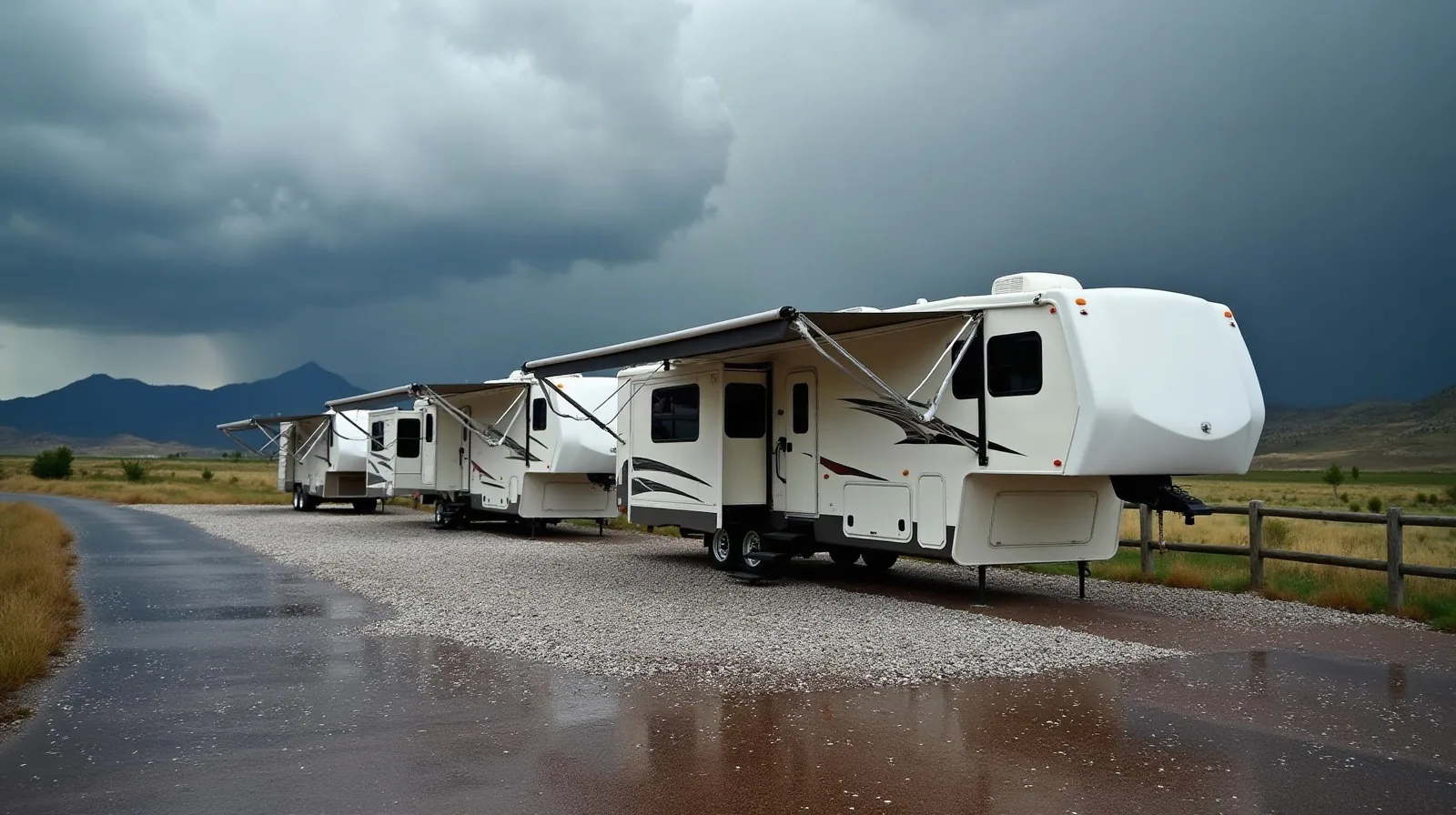
Last March I stood in a gravel lot off Powers Boulevard watching a hailstorm chew up a row of travel trailers, and it hit me that RV storage insurance is the only thing between you and a total loss. My fifth wheel sat three spaces down under a steel canopy, untouched, which is what I pay for with covered RV storage in Colorado Springs. A guy next to me had a Class A with liability only. No comprehensive. His deductible was the whole roof, and the storm paid it out in real time. That afternoon stuck with me longer than a decade of claims work.
The storage lot’s carrier covers the fence, the gate, the office building. Your RV is on you.
What RV storage insurance really means
It’s your own policy, not the facility’s, and comprehensive is the piece that matters. Most facilities won’t give you a gate code without proof of insurance. That proof is your own RV or auto policy with comprehensive on it. They’re not insuring your rig. They’re making sure you can handle your own repairs if a tree limb lands on the slide-out.
Comprehensive pays for theft, vandalism, fire, hail, wind, falling objects.
Towables work differently. Your truck’s liability covers the trailer while towing, but the trailer itself still needs physical damage coverage. Read your policy before you change anything.
Why the facility’s policy won’t cover your rig
Facilities know this, wich is why many sell a tenant protection plan. They sometimes call it insurance, but legally it’s a contract with caps, usually $2,000 to $5,000. I saw one pay only a fraction of a water damage claim. The owner thought he had coverage. He had a gap the size of his wet slide-out. Which is why you need to know what your own policy covers before you sign anything.
If you’re comparing lots, use my 12-point walk-through for RV storage facilities. It includes the questions to ask about coverage requirements and what happens if your rig gets damaged on their lot.
Comprehensive vs. collision in storage
Most owners are better off dropping collision and keeping comprehensive while the rig sits. Let me put this in claims terms.
| Coverage | What it pays for in storage | Do you need it while parked? |
|---|---|---|
| Comprehensive | Theft, vandalism, fire, hail, wind, falling branches, animal damage (some policies) | Yes, almost always |
| Collision | Hitting a tree while backing in, rolling into a fence | No, unless you move the rig |
| Liability | Damage your RV causes to others, like a fire spreading to a neighbor’s coach | Usually required by law if registered, even in storage |
But dropping liability on a motorhome can leave you uninsured if your state requires it. I tell people to call their agent and ask for a lay-up endorsement. That’s a specific discount for rigs in storage, not a generic “storage insurance” product, and it only saves you money if the rig is actually ready to sit.
If you want more on prepping the rig itself before you pay for that endorsement, see my RV storage tips from years of moving rigs around a yard.
Rodents, mold, and freezing: the exclusions that bite
The claims I saw denied most often were chewed wiring, mold from a slow roof leak, and frozen plumbing. Here’s why.
Policies offen exclude damage from rodents, insects, and vermin. A mouse chews through the wire harness in your converter box? That’s a costly repair, and it’s probably excluded. Mold from a small leak that sat unnoticed for four months? Excluded as gradual damage or lack of maintenance. Frozen pipes because you skipped winterizing? Excluded. The adjuster’s phrase was “failure to properly maintain,” and it was stamped on more denials than I can count.
The fix isn’t more insurance. Prevention works better. Seal gaps with steel wool, pull every food item, set traps. Winterize with RV antifreeze, drain the water heater, don’t forget the P-traps. A heated unit helps, but a power outage can still freeze things. I’ve seen that happen too, and not in a January cold snap you’d expect. A March outage held just long enough.
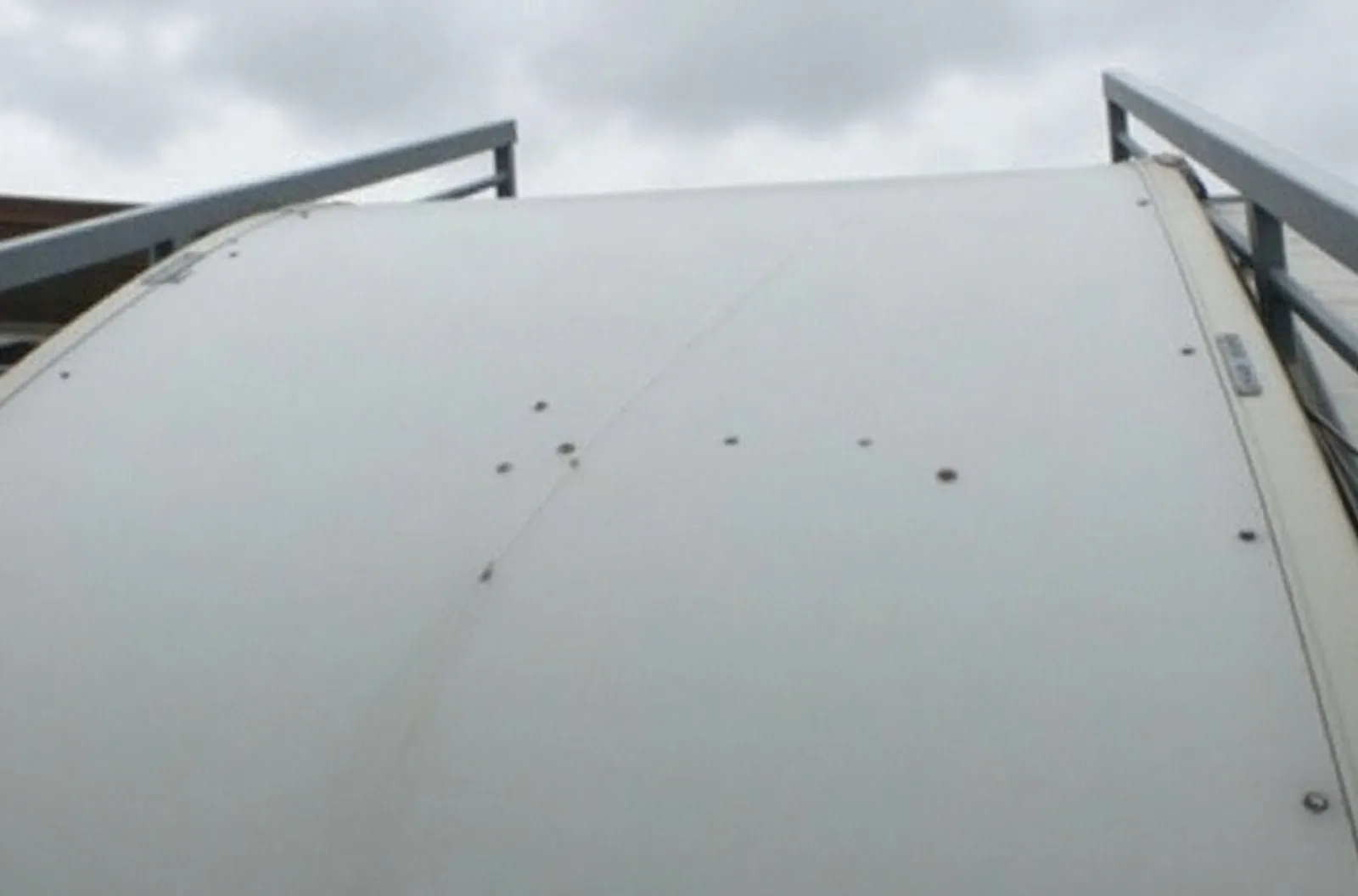
Hail gets more attention now. Front Range storms can total a roof. Comprehensive covers hail, but only if you have it. On open lots, a hail-rated cover helps a little. Under a canopy, you’re often clear. But none of that replaces a policy that actually pays when the golf balls fall. Which is why the next section is a checklist, not a lecture.
What a policy should cover while your RV sits
Get these five answers from your agent before you park the rig for winter.
- Comprehensive coverage with a low deductible. $250 is common; $500 or $1,000 is bad unless you’re comfortable paying that out of pocket on a claim.
- Custom equipment and contents. Your awning, solar panels, bike rack, and the gear inside aren’t always covered under the base policy. A personal effects rider or an RV policy with contents coverage built in helps.
- Vermin exclusion. Some policies now sell a rodent damage rider for a few dollars a month. Storing in a rural area makes that worth asking about.
- Lay-up or storage discount. Expect a discount while the rig is parked, as long as you keep comprehensive.
- Coverage for aftermarket parts. If you added a lithium battery or a fancy inverter, check that the accessory limit actually covers it.
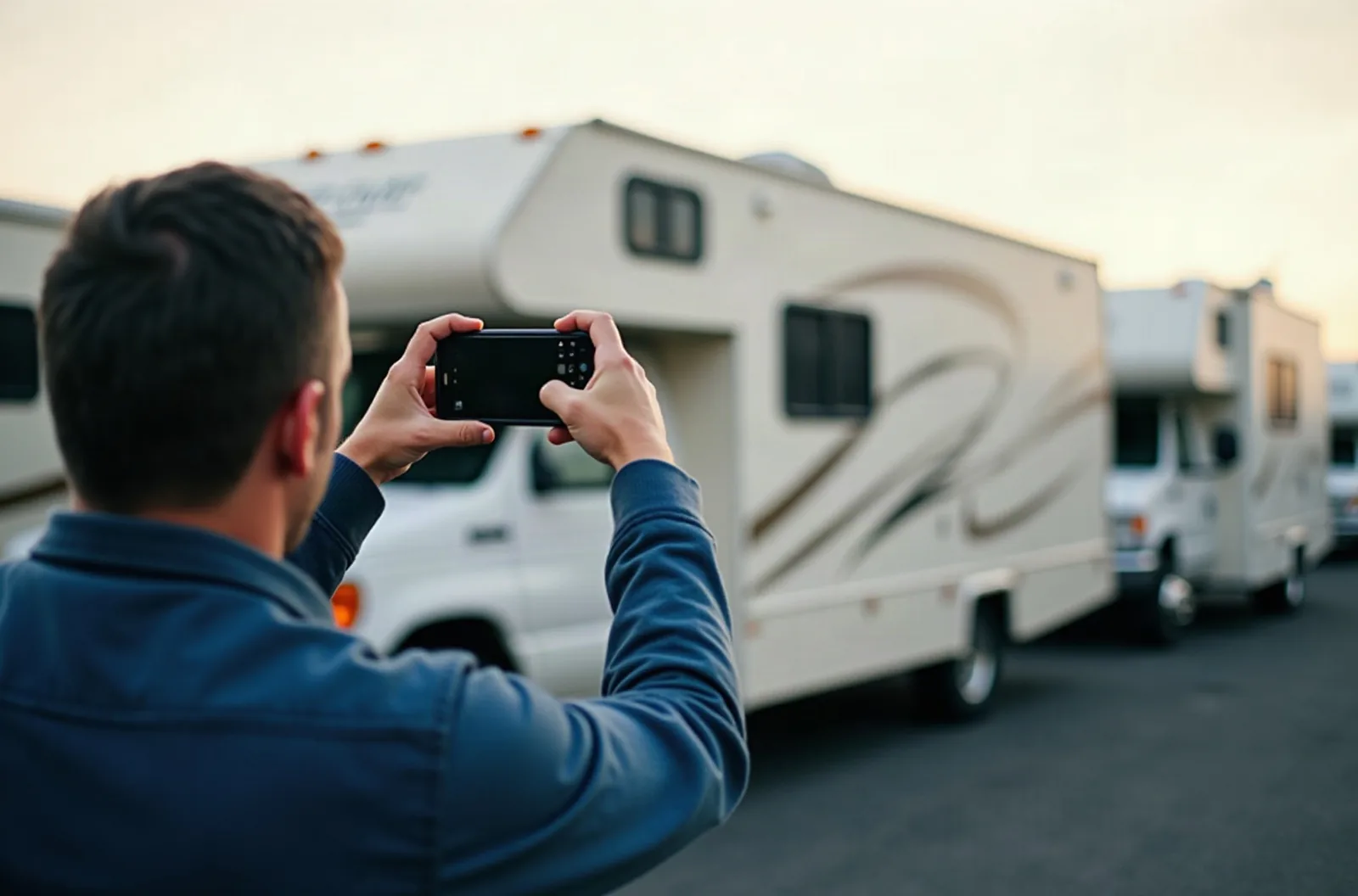
I photograph my rig inside and out on drop-off day. Date-stamped photos on my phone. When hail hit my lot last year, I had proof the roof was intact the week before. It’s the least expensive claims prep you can do. But it only helps if your policy answers the right questions, and those answers split by what kind of rig you own.
I found a straightforward video that walks through the basics of RV insurance and what to avoid.
Towables vs. motorhomes: a storage insurance split
Towable owners have it easier. A travel trailer or fifth wheel isnt motorized, so you can often drop liability entirely while it’s parked. You just need comprehensive plus any contents add-on. Some states don’t even require a separate trailer policy if the tow vehicle’s policy extends physical damage, though many agents recommend a standalone RV policy once the trailer is worth a few thousand dollars.
Motorhomes are trickier. Most states require a registered Class A, B, or C to carry liability even in storage. It’s a motor vehicle with plates. You can still drop collision. The savings aren’t as big, but they’re still real.
Then there’s the contents split. A fifth wheel with a $3,000 bike rack and a $1,200 lithium battery is a different animal from a bare-bones pop-up. Adjust your contents limit to match. I’ve seen people loose a full summer’s gear and get paid far less than it was worth becuase they never raised the limit from the factory default. That’s a phone call to the agent, and I’d write down what to say first.
What I’d ask my agent before signing a storage contract
Write these down and call your agent. Pick up the phone too; email is easy to ignore and hard to follow up on.
- “Does my comprehensive cover hail and wind damage while the RV is in storage?” Get a yes in writing.
- “What’s my deductible?” If it’s over $500, ask about lowering it for the storage months.
- “Do I have any vermin or rodent coverage? What abotu mold or water damage from a leak?”
- “Can I suspend collision and liability while the RV is parked? What does that save me a year?”
- “Are my personal belongings inside covered, and up to how much?”
- “What happens if the storage facility’s tenant protection plan doesn’t pay? Does my policy cover the gap?”
If the facility requires a tenant protection plan on top of your own insurance, run the numbers. It’s usually a small monthly fee. For a $10,000 travel trailer, that’s too much. For a $100,000 Class A, it might be a cheap top-up. Know what you allready have before paying twice.
My rule: insure for the worst month, not the best
I’m willing to be wrong about this, but I think most people underinsure the storage season. They figure it’s just sitting there, so they drop coverage to bare liability and save $30 a month. Then a tree falls or a thief cuts the hitch lock, and they’re out alot of money. The months an RV sits are exactly when weather and mice do their best work.
Try this tommorow. Call your agent and ask one question: “If my RV burns to the frame in storage, what do I get from my current policy?” Write down the number. If it’s not enough to replace or rebuild the rig, fix it. Start by checking rates for RV storage near you and compare the cost of a covered spot against the risk of another Front Range hailstorm. Then set your coverage to match.
I’d rather pay a little more a month for comprehensive and sleep than save a few bucks and wake up to a blue tarp stretched over a ruined roof.
Related reading
FAQ
Does RV storage insurance cost extra?
Not always. If you already have comprehensive coverage on your RV policy, you're covered in storage without paying extra. Many insurers offer a lay-up or storage discount that lowers your premium while the rig is parked, since you're not driving and collision risk is gone. Call your agent to ask about it.
Does my RV insurance cover rodent damage?
Most standard policies exclude damage from rodents, insects, and vermin. Some companies now offer a rider for vermin damage for a small extra premium. Prevention is cheaper: seal all gaps with steel wool or foam, remove food, and set traps. Check your policy's exclusions to know for sure.
Is the storage facility responsible if my RV is damaged?
Only if the facility was negligent, like if their gate fell on your roof. Their insurance covers their property, not yours. Theft, hail, and storm damage are your responsibility under your own RV policy. Some facilities sell tenant protection plans, but those are often capped at a few thousand dollars and aren't a substitute for proper insurance.
Do I need insurance for a travel trailer in storage?
If the trailer has any value, yes. Comprehensive coverage protects against theft, fire, hail, and vandalism while parked. While towing, liability usually comes from the tow vehicle, but the trailer itself needs physical damage coverage. A storage or lay-up endorsement can reduce your premium while keeping comprehensive active.
Can I drop liability on my RV while it's stored?
For motorhomes (Class A, B, C), most states require continuous liability if the vehicle is registered, even in storage. For towable trailers, liability is typically provided by the tow vehicle when towing, so you may not need separate liability on the trailer while it's parked. Check your state's laws and your agent's advice before dropping any coverage.
What does comprehensive cover in RV storage?
Comprehensive covers non-collision losses: theft, vandalism, fire, hail, windstorm, falling objects, and sometimes animal collisions. Water damage from a sudden leak may be covered, but gradual leaks or mold from lack of maintenance often aren't. Exclusions vary, so read your policy's fine print.
Find storage near you
Compare covered, indoor and open RV storage in your city, then ask a few places for their current monthly rate.
Browse by state