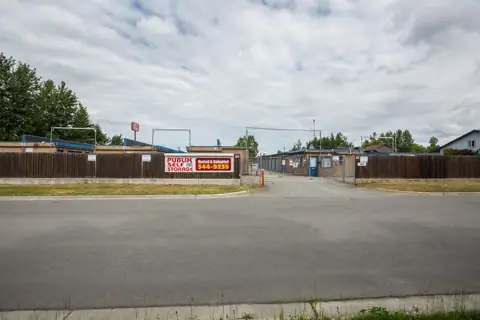
Publix Self Storage - East 72nd Ave
Anchorage self storage on East 72nd with heated and drive-up units, plus space for RVs and boats.
Anchorage boat owners deal with a short season and a long off one, so where the hull sits from October to April matters. Four storage facilities serve the city, and the average rating across them is 4.2. Two of those are indoor, one is outdoor, and none are covered-only. Two offer 24/7 gate access, which helps when you tow out after work or pull in late from Seward.
Anchorage self storage on East 72nd with heated and drive-up units, plus space for RVs and boats.
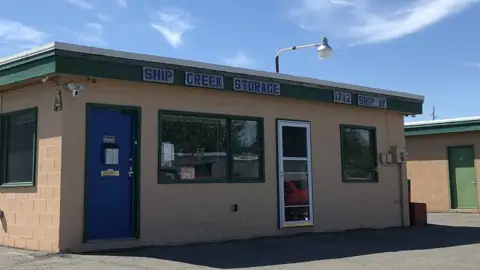
Locally owned Anchorage storage with indoor RV and vehicle space, 4.7-star rating and friendly staff.
Anchorage self-storage with indoor RV and boat parking, a gated lot, and staff reviewers call helpful.
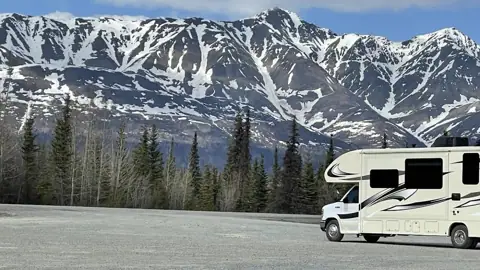
Anchorage storage yard for RVs, boats, cars and gear, with 24-hour access and camera security.
Within a short drive of Anchorage. Many owners store a town or two away to save on the monthly rate.
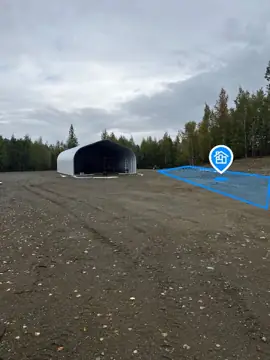
Gravel RV and boat storage lot off Pinecrest Circle in Wasilla with a full-loop turn-around built for big rigs.
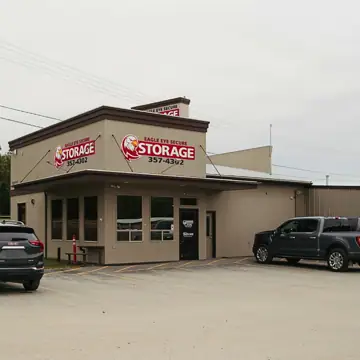
Family-run Wasilla storage with 4.9 stars from 348 reviews, praised for security and helpful staff.
Indoor storage is the safer call in Anchorage, and it is also the option you can actually get: two of the four facilities are indoor, and just one is outdoor. A roof and walls keep snow load, ice and spring melt off the cover and out of the bilge. If you go outdoor, plan on a quality cover that sheds water rather than pooling it, and check the frame after heavy snow. Either way, ask how they handle snow removal around your spot before you sign. The climate-controlled option shows up at one facility, which is worth asking about if you keep electronics or upholstery in the boat over winter.
Publix Self Storage on East 72nd Ave leads with a 4.8 from 36 reviews, and Lake Otis Storage also sits at 4.8 on a much thinner 4 reviews. Ship Creek Storage lands at 4.7 from 12. Alaska Recreational Storage is the outlier at 2.5 from 2 reviews, so read that one carefully and visit in person. Review counts are small across the board, so weigh a handful of recent comments over the star average. Gated entry and cameras appear at most of these facilities, and three list vehicle storage alongside boat space, useful if the tow rig needs a home too.
Confirm gate hours in writing. Two facilities advertise 24/7 access, so those are the ones to lean on if your launch schedule runs early or late. Bring your registration and proof of insurance, since most facilities want them on file, and ask what the storage agreement says about access to your unit versus the yard. Winterizing is on you, not the facility: fog the engine, pull the battery and put it on a maintainer, and leave the plug out. Walk the yard first and look at drainage, lighting and how tight the turns are with a trailer behind you.
Four facilities are listed in Anchorage, with two more nearby. Of the four, two are indoor and one is outdoor, so indoor space is the more available choice if you want your boat under a roof for the winter.
Two of the four Anchorage facilities advertise 24/7 gate access. That is worth confirming directly, along with how after-hours entry works and whether there is a call-ahead rule for towing in after dark.
For most boats, yes. Indoor space keeps snow and ice off the cover and limits UV and freeze-thaw wear on canvas, gelcoat and wiring. It costs more than an open spot, but it cuts the spring cleanup and the odds of a cracked fitting.
Ask about gate hours, whether the yard is lit, camera coverage, and how snow gets cleared around your spot. Get the access terms and insurance requirements in writing. Then check the yard yourself with your trailer attached to see how the turns feel.