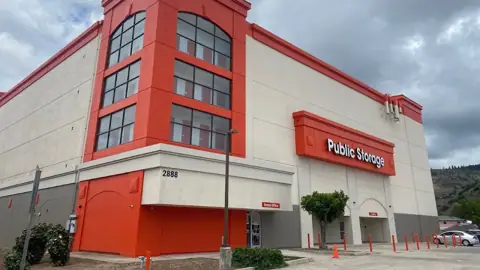
Public Storage
Honolulu Public Storage with RV, boat, and vehicle storage. Gated, lit, 24/7 access. 4.9 stars from 1,182 reviews.
Honolulu boat owners deal with salt air, strong sun, and a short supply of places to keep a trailer. Two facilities in the city list boat storage, and both are rated well by the people who use them. Six more sit nearby if you widen the search. The listings here run covered, indoor, and outdoor, so you have a real choice about how much protection you want to pay for.
Honolulu Public Storage with RV, boat, and vehicle storage. Gated, lit, 24/7 access. 4.9 stars from 1,182 reviews.
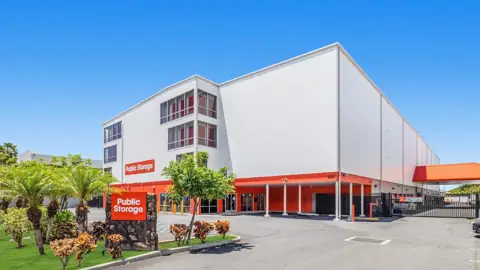
Honolulu Public Storage with covered, indoor and outdoor spots and staff reviewers keep praising by name.
Within a short drive of Honolulu. Many owners store a town or two away to save on the monthly rate.
Monthly self parking in Aiea for cars, vans, boats and motorcycles, with long-term options.
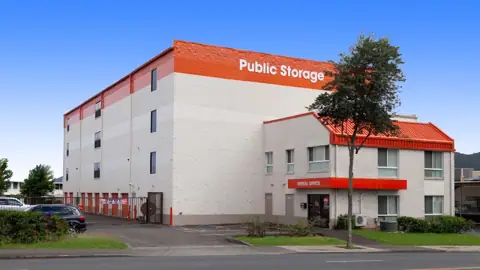
Kaneohe Public Storage with gated 24-hour access and covered, indoor, and outdoor parking for RVs, boats, and cars.
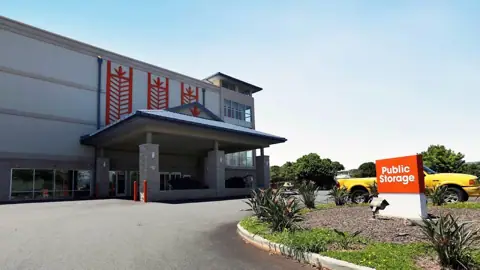
Kaneohe Public Storage with covered, indoor and outdoor RV and boat parking, gated and lit, rated 4.5 stars.
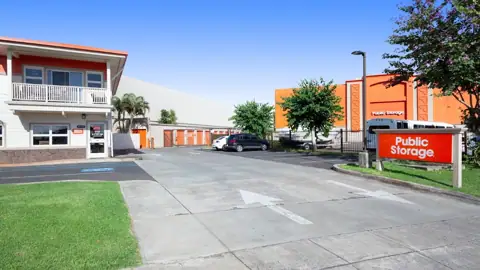
Pearl City storage yard with covered, indoor and outdoor spots and staff reviewers keep praising by name.
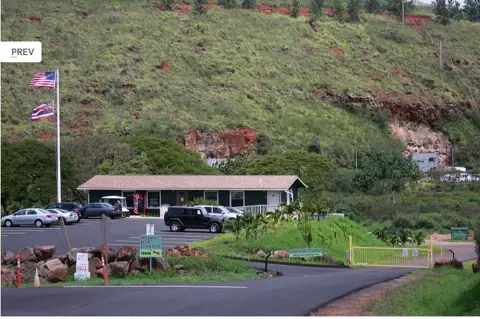
Waipahu Public Storage offers covered, indoor, and outdoor RV storage with 24/7 access and a 4.9-star rating from 725 reviews.
Waipahu storage yard with outdoor RV parking, U-Haul rentals, and friendly staff, rated 4.6 stars by 166 reviewers.
The two facilities in town both offer covered, indoor, and outdoor spots, and both take boats and vehicles. That overlap matters: you can often keep the trailer and the tow vehicle in the same place, which saves a second trip. Both are gated and lit, and both have 24/7 gate access, a detail worth checking closely if you launch early or come back after dark. Reviews average 4.8 across the pair, with one facility carrying well over a thousand reviews. Six nearby facilities give you fallback options when a spot opens up.
Oahu is hard on anything stored outside. UV fades gelcoat and cracks vinyl, and salt carried on the wind settles on hulls and trailers. A covered or indoor spot is the simplest defense, and indoor is the better call if you can find and afford one. If you go outdoor, rinse the boat and trailer after every trip, keep a good coat of wax on the hull, and watch trailer brakes and lights for corrosion. Sun covers help, but they trap moisture if you put them on a wet boat. Let everything dry first.
Gate hours are the first thing to confirm. Both Honolulu facilities advertise 24/7 access, but verify how it works in practice and whether you need a code, a fob, or a call ahead. Ask about aisle width and turning room, since a trailer needs more than a car does. Check what your insurance requires for storage, and confirm the facility's rules on battery maintainers, fuel, and covering your boat on site. Read the recent reviews rather than the overall count. A high rating with a lot of reviews tells you more than a perfect score on a handful.
Two facilities are listed in Honolulu, and six more are nearby. Both in-town facilities offer covered, indoor, and outdoor storage and accept boats and vehicles, so you can compare protection levels without leaving the city.
Yes. Both listed facilities advertise 24/7 gate access, and both are gated and lit. Confirm the entry process when you call, since codes and after-hours procedures vary by location, and early launches or late returns are common here.
Indoor protects best against sun and salt air, which wear gelcoat, vinyl, and trailer hardware. Covered is a middle option. Outdoor works if you rinse after trips, wax the hull, and keep an eye on trailer wiring and brakes for corrosion. All three types are available here.
Ask about gate hours and after-hours entry, aisle width and turning room for a trailer, and whether trailer and tow vehicle can stay together. Also confirm rules on battery maintainers, fuel, and on-site covers, and check what your insurance requires for stored boats.