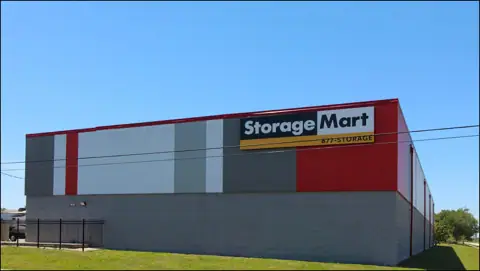
StorageMart
Melbourne self-storage with covered and outdoor parking for RVs, plus climate-controlled units and a 4.8-star rating from 710 reviews.
Melbourne sits right on the Space Coast, and plenty of rigs here spend more time parked than rolling. Eight storage facilities in town serve that need, averaging 4.6 stars across the listings. Four offer covered spots, four have indoor bays, and four keep outdoor spaces open. Six of the eight let you come and go around the clock, which matters if you pull in late after a weekend on the water.
Melbourne self-storage with covered and outdoor parking for RVs, plus climate-controlled units and a 4.8-star rating from 710 reviews.
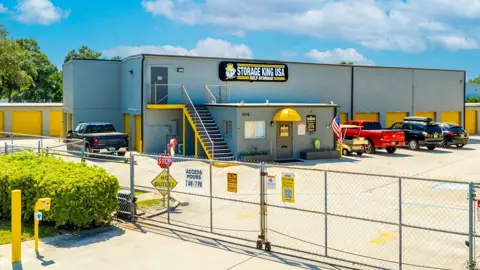
Melbourne self-storage with a 4.8 rating from 217 reviews, praised for clean units and helpful staff.
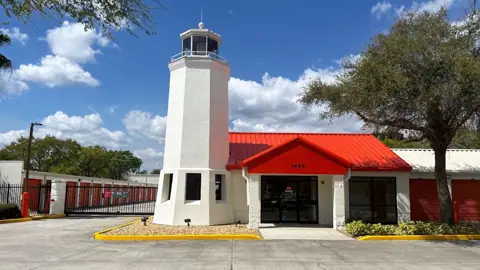
Melbourne Public Storage offers covered, indoor, and outdoor RV storage with 24/7 access and a 4.7-star rating from 446 reviews.
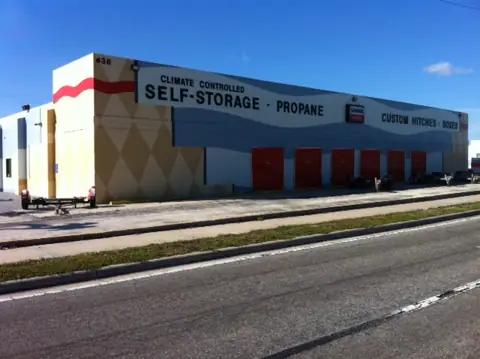
Melbourne self-storage with indoor and outdoor RV and boat options, 24/7 access, and a manager reviewers keep praising.
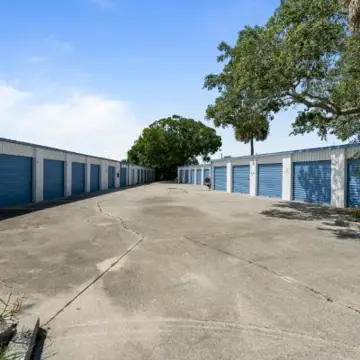
Melbourne self-storage with 24-hour access, inside and outside cameras, and RV and boat parking.
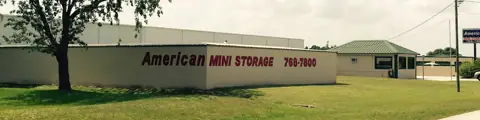
Locally owned Melbourne storage since 1996, with RV, boat and auto parking plus gated, camera-monitored grounds.
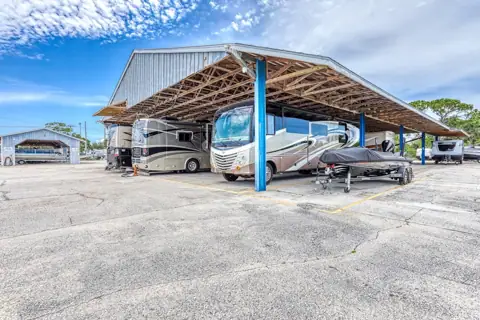
Family-owned Melbourne RV and boat storage with 24/7 access, covered and indoor units, and cameras on site.
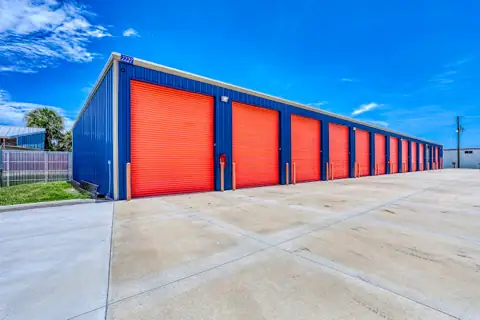
Melbourne vehicle storage with 24/7 access and friendly staff, rated 4.1 stars.
Within a short drive of Melbourne. Many owners store a town or two away to save on the monthly rate.
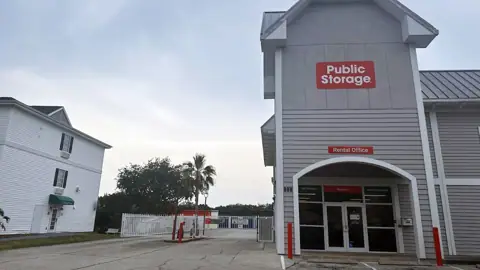
Palm Bay storage with gated 24/7 access, covered, indoor, and outdoor spots for RVs, boats, and cars.
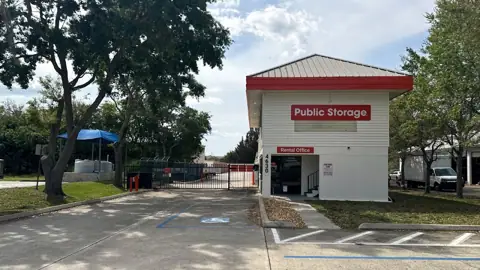
Palm Bay Public Storage with gated RV, boat and vehicle storage, open 24/7 and rated 4.7 from 447 reviews.
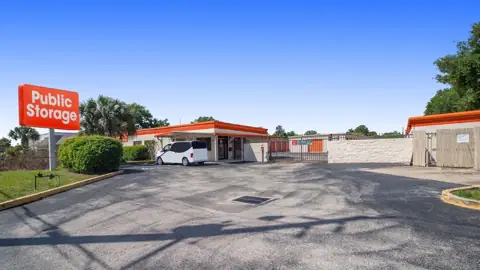
Palm Bay self-storage with covered, indoor and outdoor spots for RVs and boats, rated 4.5 from 377 reviews.
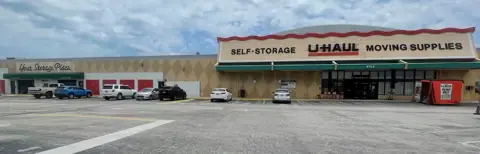
RV and boat storage in Palm Bay with indoor and outdoor options, 24/7 access, and security cameras.
Florida sun is patient and relentless, and it works on gelcoat, tires, and decals year after year. An indoor bay is the surest shield if your budget allows it, and covered comes close for a lot less. Outdoor works fine for a trailer or a boat you rinse often, but plan on wax and tire covers. Four facilities here list covered, four list indoor, and four list outdoor, so you have a real choice rather than one default. Call ahead and ask what the cover actually is. A metal canopy and a fabric carport both count as covered, and they are not the same thing.
All eight facilities take vehicles, five handle boats, and one lists trailer storage. That last number is worth noting if you tow a flatbed or a box trailer, because trailer spots are thinner than you would expect around here. StorageMart and Public Storage both list covered, outdoor, boat, and vehicle options, so either can take a mixed load off your hands. Storage King USA and American Mini Storage keep it simple with vehicle storage. Pelican Nest Storage leans toward boats, and Self-Storage at U-Haul also offers a wash bay, handy after a run down to the Indian River.
Six of the eight facilities advertise 24/7 gate access. That is a genuine convenience for a boater who launches at dawn, but confirm the details before you sign. Some gates use a keypad code, some a key card, and a few restrict after-hours entry to certain days. Cameras and lighting come up in most listings here, including StorageMart, Pelican Nest, and Self-Storage at U-Haul, and a lit facility is easier to back a trailer into at night. Ask whether anyone is on site after hours or if it is cameras only, and check that your insurance covers the rig while it sits.
There are eight facilities listed in Melbourne. Four offer covered storage, four offer indoor bays, and four offer outdoor spaces. All eight take vehicles, five handle boats, and one lists trailer storage, so boat owners have more options than trailer owners do.
Six of the eight facilities advertise 24/7 gate access. That leaves two with limited hours, so confirm the schedule before you book. If you launch early or tow in late, the six with round-the-clock entry are the ones to start with.
Indoor keeps sun, rain, and hail off the gelcoat and interior, which slows fading and cracking over the years. It usually costs more than covered or outdoor, so weigh how often you use the rig. If it sits most of the year, indoor is easier to justify.
Ask what the cover is made of, whether anyone is on site after hours, and how gate codes work. Confirm your insurance covers the rig while stored and find out what happens if a payment is late. Also walk the spot after rain to check drainage.