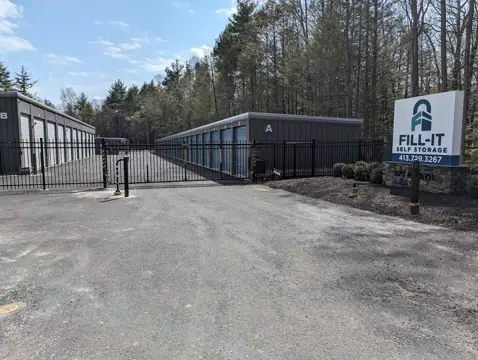
Fill-It Self Storage Westfield
Westfield self-storage with climate-controlled and dry units, plus spaces for cars, RVs, and boats.
Westfield sits where the Westfield River meets the Berkshires, and plenty of rigs around here spend more time parked than rolling. Three facilities in town handle car and vehicle storage, and all three carry a 5.0 average rating. One is indoor, one outdoor, and one takes boats. Two offer 24/7 gate access. Five more sit within easy reach if these fill up.
Westfield self-storage with climate-controlled and dry units, plus spaces for cars, RVs, and boats.
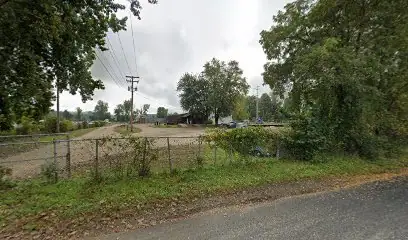
Westfield auto, boat and RV storage facility with a 5.0 rating from a single Google review.
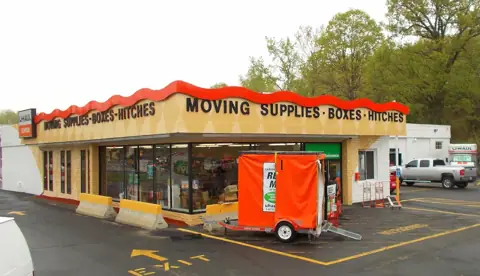
Westfield self-storage with indoor and outdoor vehicle spots, 24/7 access, cameras and climate control.
Within a short drive of Westfield. Many owners store a town or two away to save on the monthly rate.
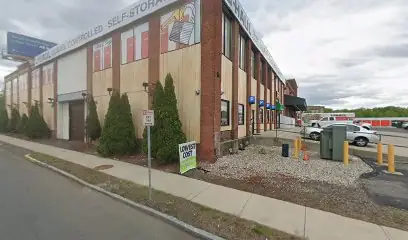
Springfield self-storage with indoor and outdoor vehicle parking, 24/7 access, cameras and a 5.0 rating from four reviews.
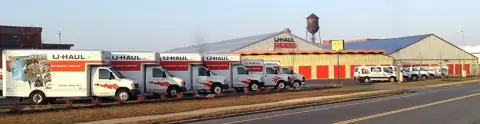
West Springfield U-Haul with indoor and outdoor RV storage, 24/7 access, and cameras.
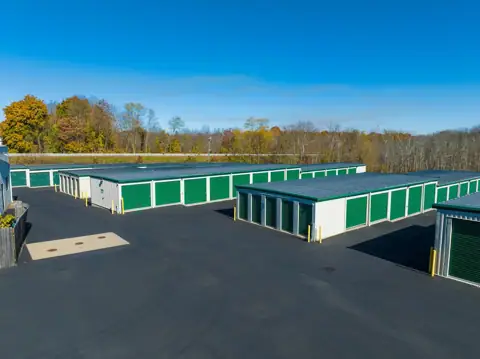
Gated self-storage in Feeding Hills with RV, boat and car parking, 24/7 gate access and camera surveillance.
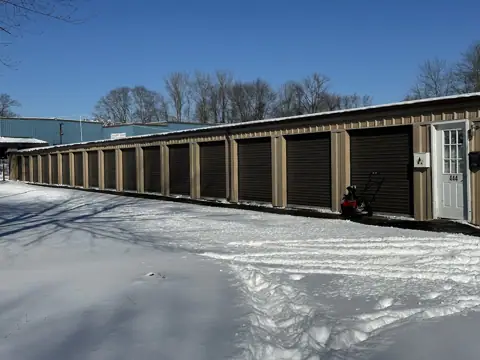
Fenced, gated outdoor RV and boat parking in Agawam with 24-hour access and cameras.
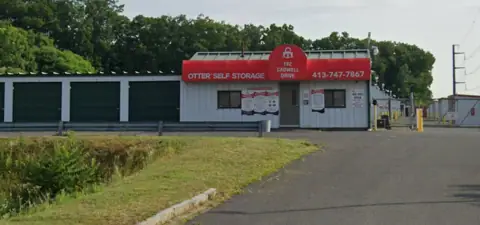
Springfield self-storage with covered, indoor and outdoor RV and boat parking, gated access and 24/7 cameras.
The three facilities here cover a range of needs. Fill-It Self Storage Westfield earns a 5.0 from 49 reviews and takes both boats and vehicles, with cameras, climate control, and 24/7 gate access. VRS Transpark is smaller, one review and a 5.0, set up for vehicles. Self-Storage at U-Haul offers indoor and outdoor vehicle spots plus a wash bay and cameras, and it keeps the gate open around the clock. That mix matters in western Massachusetts. Indoor space keeps a rig out of snow and sun alike, while an outdoor spot costs less and suits a trailer or a boat you launch now and then. Ask what the wash bay allows before you plan on rinsing off road salt.
Start with gate hours. Two of the three facilities let you in any time, which helps if you tow out early or roll home late. If yours does not, plan around the schedule rather than fighting it. Next, walk the ground before you sign. Look at drainage, since spring thaw turns some gravel into mud, and check whether the sun hits your spot all afternoon. UV wears on tires and gelcoat over years. For anything parked through winter, pull the battery and put it on a maintainer, and confirm your insurance covers storage. Winterizing the water system is worth the hour. Then ask about cameras and lighting, because a quiet lot at night is only as good as what watches it.
Westfield puts you close to the Berkshires, so a stored rig is a short drive from real weekend country. The river runs through town, and lake country sits within reach for boat owners. Five nearby facilities give you fallback options if the three here are full, and it pays to call ahead rather than assume a vacancy. Rates vary by size and cover, so compare quotes rather than picking the first spot you see. A covered or indoor bay usually runs more than open ground, and the gap is worth weighing against what you store. For a daily driver, outdoor is fine. For a rig you baby, the indoor option at U-Haul is the one to ask about first.
Three facilities in Westfield handle car and vehicle storage, and all three average a 5.0 rating. One offers indoor spots, one outdoor, and one takes boats. If those do not fit your needs, five more facilities sit nearby.
Yes, two of the three do. Fill-It Self Storage Westfield and Self-Storage at U-Haul both list round-the-clock gate access. VRS Transpark does not list it, so confirm hours before you plan an early tow-out.
Fill-It Self Storage Westfield takes boats along with vehicles. It also has cameras and climate control, which helps if you keep gear inside. Call ahead to confirm your boat's length and trailer fit the space you want.
Walk the ground and look at drainage, since thaw turns gravel soft. Check gate hours against your schedule, ask about cameras and lighting, and confirm your insurance covers the rig while stored. For winter, plan on a battery maintainer and a proper winterizing.