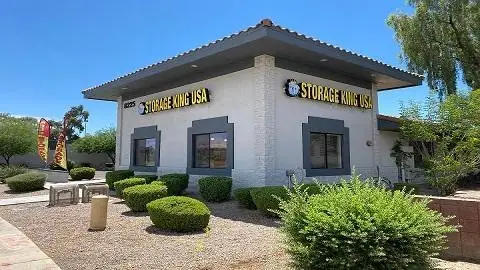
Storage King USA
Phoenix RV storage with climate-controlled units, security cameras, and a 4.8-star rating from 381 reviews.
Phoenix sun does not forgive a fiberglass roof left out for years, which is why six climate-controlled facilities here make sense for anyone storing a rig long term. The rated spots average 4.7 stars, and a few of the names repeat because CubeSmart runs multiple locations across the valley. Covered and indoor options lead the count, with a couple of outdoor choices still in the mix.
Phoenix RV storage with climate-controlled units, security cameras, and a 4.8-star rating from 381 reviews.
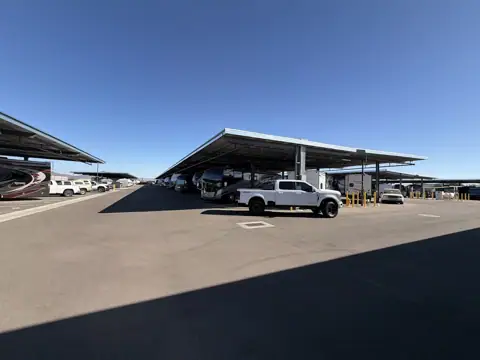
Covered RV and boat storage off Carefree Highway in north Phoenix, rated 4.9 by 79 reviewers.
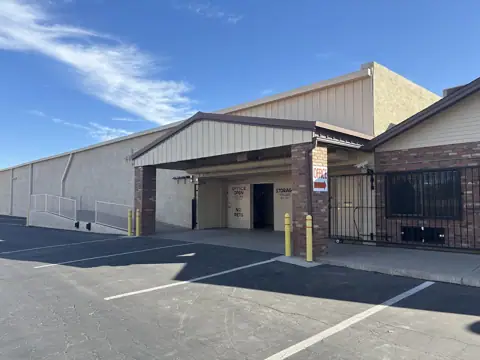
Indoor climate-controlled RV storage in Phoenix with a 4.9-star rating and friendly, helpful management.

Phoenix self-storage with covered RV spots, climate control, and a 4.6-star rating from 369 reviews.

Phoenix self-storage with covered and outdoor RV parking, security cameras, and a 4.6-star rating from 356 reviews.

Phoenix self-storage with covered RV parking, gated access, cameras, and staff who reviewers call helpful and kind.
Within a short drive of Phoenix. Many owners store a town or two away to save on the monthly rate.
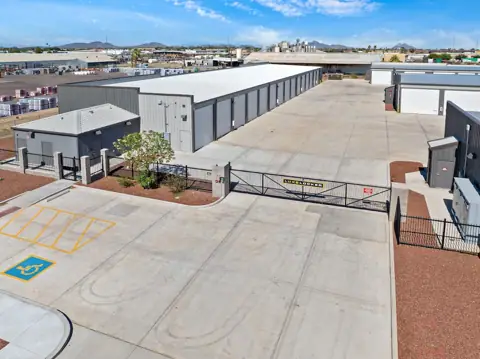
Glendale storage facility with covered, indoor, and outdoor spots for RVs, boats, and more off Grand Avenue.
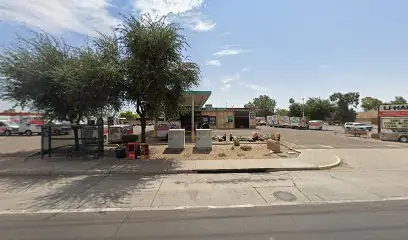
U-Haul self-storage at 67th and Bethany in Glendale offers indoor and outdoor units, plus vehicle and boat parking.
An enclosed, conditioned building keeps the interior from baking at 150 degrees and keeps dust off the roof and vents. That matters more in Phoenix than in most markets. Rubber seals, decals, vinyl, and dash plastics all age faster under constant UV and heat cycling. Six facilities here offer climate control, and two of those are fully indoor. Storage King USA on the list runs 4.8 stars across 381 reviews, which tells you people are paying attention to how a place is run. Ask what temperature range the building holds and whether the unit is truly sealed or just shaded. Also ask how they handle the monsoon months. A roof that leaks in July can ruin a mattress, a generator, or a wiring harness before you notice.
Four Phoenix facilities offer covered parking, and two offer outdoor spots. Covered usually means a metal canopy, which blocks direct sun but not heat or blowing dust. Indoor means walls and a door, and that is where climate control actually holds. If you own a boat, Luxury Storage RV & Boat handles that category and rates 4.9 stars on 79 reviews. They also list gated access, cameras, electric hookups, and 24/7 gate hours, the only one in this set with round-the-clock entry. For a rig you use often, gate hours matter as much as the roof over it. Check the schedule against your usual departure times before you commit.
A few things are worth doing no matter which Phoenix facility you pick. Pull the batteries and put them on a maintainer, or at least disconnect the negative terminal so they do not drain flat over summer. Top off the fuel and add stabilizer if the rig will sit for months. Cover the tires or park on boards, since concrete and asphalt hold heat. Crack a vent if the unit is enclosed and vented, and leave no food inside. Confirm with your insurer that the rig is covered at a storage address, not just at home. And walk the unit after the first monsoon storm to check for water intrusion.
Six facilities in Phoenix offer climate-controlled storage. Two of those are fully indoor buildings, and four offer covered parking. The listings average 4.7 stars across the group.
Yes, one facility in this set lists 24/7 gate access. Luxury Storage RV & Boat also lists gated entry, cameras, and electric hookups. If you need late-night entry, confirm the gate schedule directly, since access policies can change.
Covered blocks direct sun but still sits in ambient heat. Indoor storage with climate control holds a steadier temperature, which protects seals, plastics, and interior finishes. Two Phoenix facilities here offer indoor units, so availability is tighter than covered.
Disconnect or remove the batteries and use a maintainer, add fuel stabilizer, and cover the tires. Leave no food inside and crack a vent if the unit allows it. Check that your insurance covers the rig at the storage address.