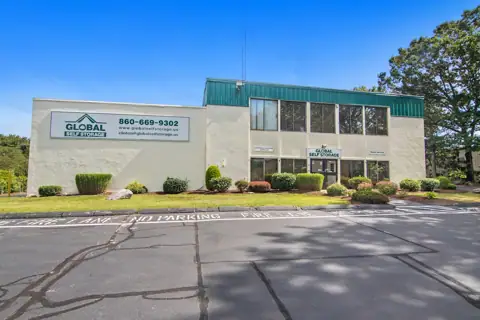
Global Self Storage
Clinton self-storage with covered and outdoor RV spots, climate-controlled units, and a 4.8-star rating from 108 reviews.
Connecticut is hard on anything parked outside. Snow load one month, wet leaves the next, and summer sun that fades gelcoat and cracks old trailer tires. The five trailer storage facilities listed here average 4.8 stars across the state, and they lean toward covered and indoor space rather than open pavement. That mix suits boats, campers and utility trailers that sit for months at a time.
Clinton self-storage with covered and outdoor RV spots, climate-controlled units, and a 4.8-star rating from 108 reviews.
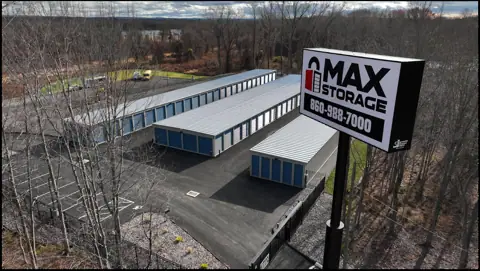
Gated, camera-monitored storage with 24-hour access and indoor/outdoor spots near I-91 in Windsor Locks.

Outdoor RV and car storage in Terryville with a 5.0 rating from 8 reviews and a friendly, accommodating owner.
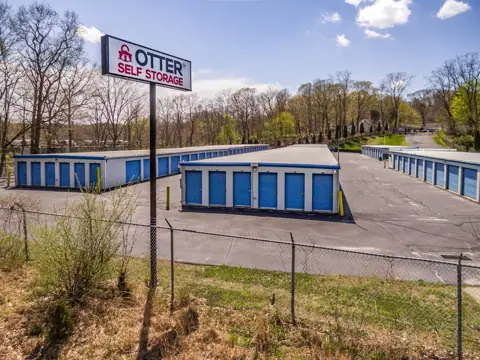
Norwich self-storage off I-395 with covered and indoor RV bays, gated 24/7 access, and a 4.3-star rating from 67 reviews.
RV, boat, and trailer storage on Orcuttville Rd in Stafford Springs, CT, with space for campers and trucks.
Across the five facilities, three offer outdoor spots and two offer covered or indoor space. Four take boats and all five handle trailers and vehicles, so you can usually keep the tow rig and the trailer at the same address. Two facilities offer 24/7 gate access, which matters if you pull out before dawn for a lake trip or roll home after dark. Ratings run high. Global Self Storage sits at 4.8 from 108 reviews, Max Storage at 4.9 from 41, and South eagle Street holds a 5.0 on a small sample of 8. Otter Self Storage comes in at 4.3 from 67 reviews. Orcuttville Rd has no reviews yet, so treat it as an unknown and ask questions on site.
Connecticut winters bring freeze and thaw cycles that work on trailer frames, brakes and wiring. A covered or indoor bay keeps snow off the roof and ice out of the seams, and it blocks the UV that eats tires and decals. Outdoor spots cost less and are easier to find, but plan on a good tarp and a set of wheel covers. Whichever you pick, walk the ground before you sign. Look for standing water, low branches and how the lot drains after rain. Ask whether the facility plows in winter and where they push the snow, because a plow bank against your trailer is a spring surprise.
Pull the battery and keep it on a maintainer at home, or confirm the facility has power at the bay. Top off tire pressure and check the spare. Empty the water tanks and lines if freezing weather is coming, and leave the fridge door propped. Note the gate hours and any access code rules, and write down who to call if a lock freezes or a light burns out. Confirm your insurance covers the trailer while it sits off your property. Some policies treat stored trailers differently, and it takes one phone call to find out.
Five are listed here, averaging 4.8 stars. Three offer outdoor spots, two offer covered space and two offer indoor bays. Four of the five also take boats, so you can keep a trailer and a boat at one address.
Yes, two of the five list 24/7 gate access. Max Storage and Otter Self Storage both show it, along with gated entry and cameras. Confirm the code and any after-hours rules when you sign, since procedures can differ between facilities.
Indoor bays keep snow, ice and sun off your trailer, which helps slow rust, tire cracking and decal fading. Two facilities here offer indoor space. If your trailer is older or you store it for the whole winter, the extra cost often pays back in fewer repairs.
Walk the lot and look at drainage, overhead branches and lighting. Ask how snow is plowed and where it goes. Confirm gate hours, whether the bay has power for a battery maintainer, and that your insurance covers the trailer while stored off your property.