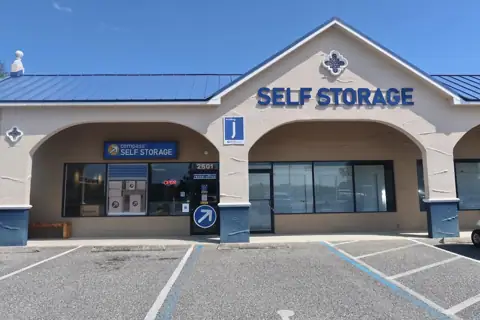
Compass Self Storage
RV and boat storage in Tavares off Route 19 with a 4.8-star rating from 684 Google reviews.
Tavares sits where Lake Dora and Lake Eustis meet, and plenty of rigs around here spend more time parked than rolling. Three trailer storage facilities serve the city, with four more close by. The average rating across the area is 4.8, and one facility offers 24/7 gate access. Covered and indoor spots exist, but outdoor is the most common setup. For boat and utility trailers, plan on sun being the main enemy.
RV and boat storage in Tavares off Route 19 with a 4.8-star rating from 684 Google reviews.
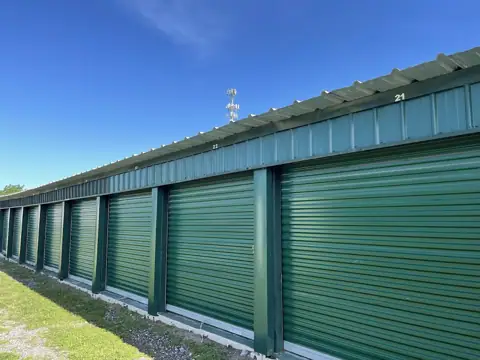
Tavares self-storage with covered, indoor and outdoor RV spots, gated with cameras and a 4.9 rating.
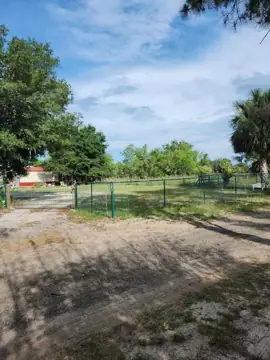
Gated outdoor RV and boat storage on a grass and sand lot in Tavares, FL, near Highway 448 with 24/7 cameras.
Within a short drive of Tavares. Many owners store a town or two away to save on the monthly rate.
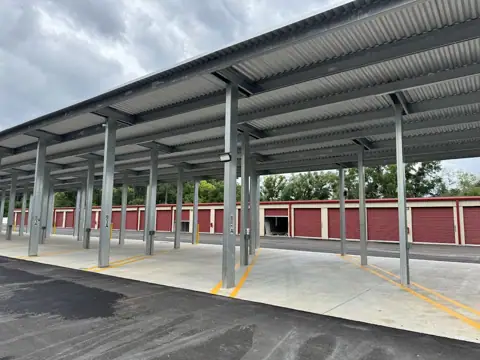
New self-storage on 441 in Mt Dora with RV, boat and trailer parking, rated 4.9 by 28 reviewers.
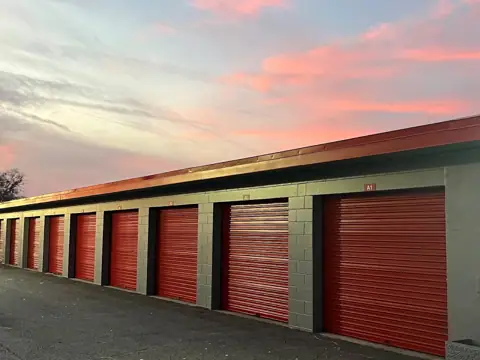
Leesburg storage yard with RV, boat and trailer parking, cleaned up under new owners and rated 5.0 by reviewers.
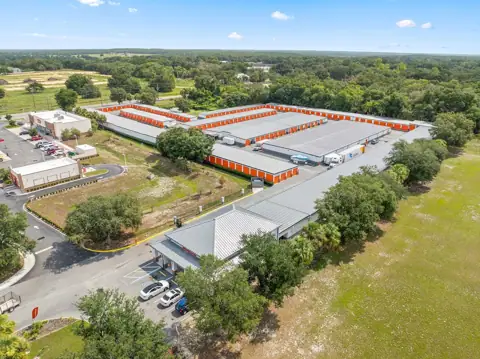
Eustis storage with gated RV, car and boat parking plus covered and indoor options, rated 4.6 from 242 reviews.
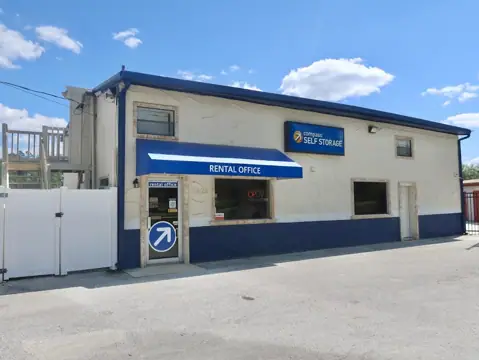
Eustis self-storage with covered RV parking, security cameras, and a 4.7-star rating from 252 reviews.
Of the three facilities in town, two list outdoor spots and one lists covered or indoor space. The bigger facilities here lean toward boat and trailer storage alongside vehicle and parking options. Compass Self Storage rates 4.8 across 684 reviews and handles boat, trailer and vehicle storage with gated access. Lake County Storage Solutions is smaller at 11 reviews but rates 4.9, with covered, indoor and outdoor trailer spots plus cameras, electric and a dump station. The third, Rv and boat storage Discovery road, has no reviews yet but offers gated 24/7 access and cameras. Call before you haul: availability changes fast around the lakes.
Central Florida is hard on anything parked outside. UV breaks down trailer tires and fades gelcoat and paint, and summer storms drop rain fast enough to pool on covers and flat surfaces. If your trailer sits for months, a covered or indoor spot earns its keep. For outdoor spots, park with drainage in mind and keep tires off bare ground if you can. A cheap cover beats nothing, and a wheel chock plus a locked coupler slows down the wrong kind of attention. Check your insurance covers stored trailers, and confirm gate hours before you commit to a facility that closes early.
Start with access. If you launch or haul on weekends, a facility with 24/7 gate access like the Discovery road location saves headaches, but one with set hours and a staffed office gives you a person to call when something goes wrong. Next, match the spot to the trailer. Boats and open utility trailers do fine outside; enclosed trailers and anything with electronics or upholstery last longer under cover. Look at the surface, the slope and how tight the turns are for a rig you're backing in. Visit in person and drive the route you'd take on a busy Saturday. Ask about cameras and lighting while you're there.
There are 3 in Tavares and 4 more nearby, so 7 in the wider area. Not all of them lead with trailers, but the combined list covers covered, indoor and outdoor options, plus boat and vehicle storage at several.
Yes, one of the three facilities in Tavares lists 24/7 gate access. The others have gated entry but you should confirm their posted hours directly, since gate schedules vary and a locked gate at 9 pm is no fun with a trailer in tow.
If your trailer is enclosed, or carries gear that heat and humidity can ruin, indoor storage is usually worth asking about. One Tavares facility lists indoor space and another lists covered. For a basic open utility trailer, outdoor with a cover is often enough.
Ask about gate hours, whether the spot is paved or gravel, camera coverage, and whether the facility allows you to work on the trailer onsite. Confirm what insurance they require and get the monthly rate in writing. Then drive your route once at the time of day you'd actually be towing.